Content Strategy
Occam’s content strategy is built on four core principles: Clarity and Simplicity, Consistency and Structure, Inclusivity and Accessibility, and Empathy and Trustworthiness. These principles ensure all content is easy to understand, structured for readability, inclusive of all users, and aligned with a professional yet approachable voice.
Our content aligns with Zuora’s documentation and brand guidelines to maintain consistency across all product and support materials. We share standards to create a seamless and accessible user experience, making information clear, actionable, and user-centered. We reflect Zuora’s brand attributes—Innovative, Empowering, and Trusted—in every piece of content we create.
Tone and Voice
Occam’s tone and voice is clear, professional, and approachable.


Voice: Our voice remains consistent across all products. It reflects clarity, confidence, and empathy, ensuring a trustworthy experience.
Tone: While our voice stays the same, our tone adapts—direct for instructions, conversational for encouragement, and reassuring for challenges.
Writing Style
Occam’s writing style is clear, consistent, and accessible.
Use plain language, avoid jargon, and keep sentences short and direct. Explain technical terms when necessary. Use the active voice to improve clarity and engagement.
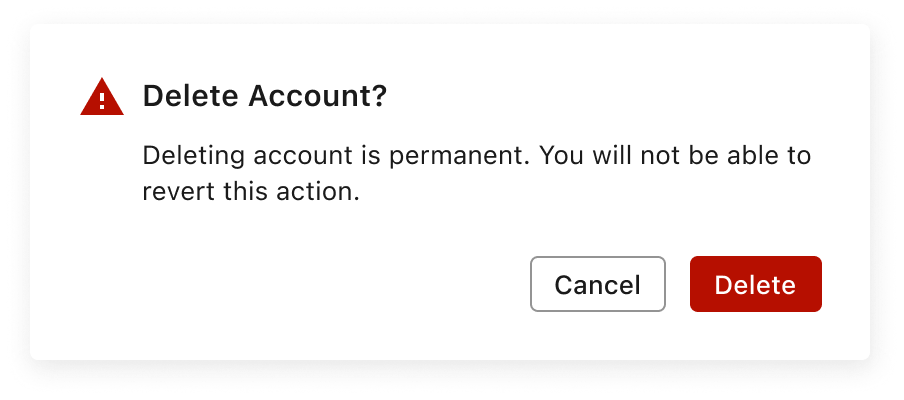
Maintain consistency with uniform terminology and phrasing. Follow established grammatical and stylistic rules. Use American English, present tense, and second-person (you) for instructions while using third-person for concepts and facts.
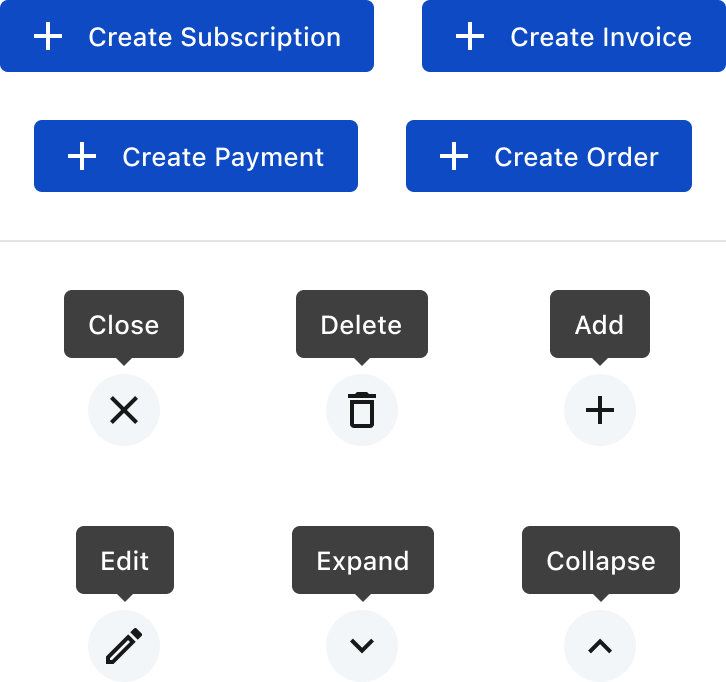
Use sentence case for better readability for UI elements like labels, buttons, and menu items.
Title case is reserved for page titles, major section headings, and feature names where emphasis is needed.
Empathy and accessibility guide our writing. Content should be clear, inclusive, and provide users with the right information at the right time.
Content Structure
Occam’s content is structured for clarity and quick scanning.
Each page is guided by a clear page header that sets the context. Headings and subheadings organize content, making it easy to navigate. Use action-based headings when applicable, such as Configuring Settings instead of Settings Overview.
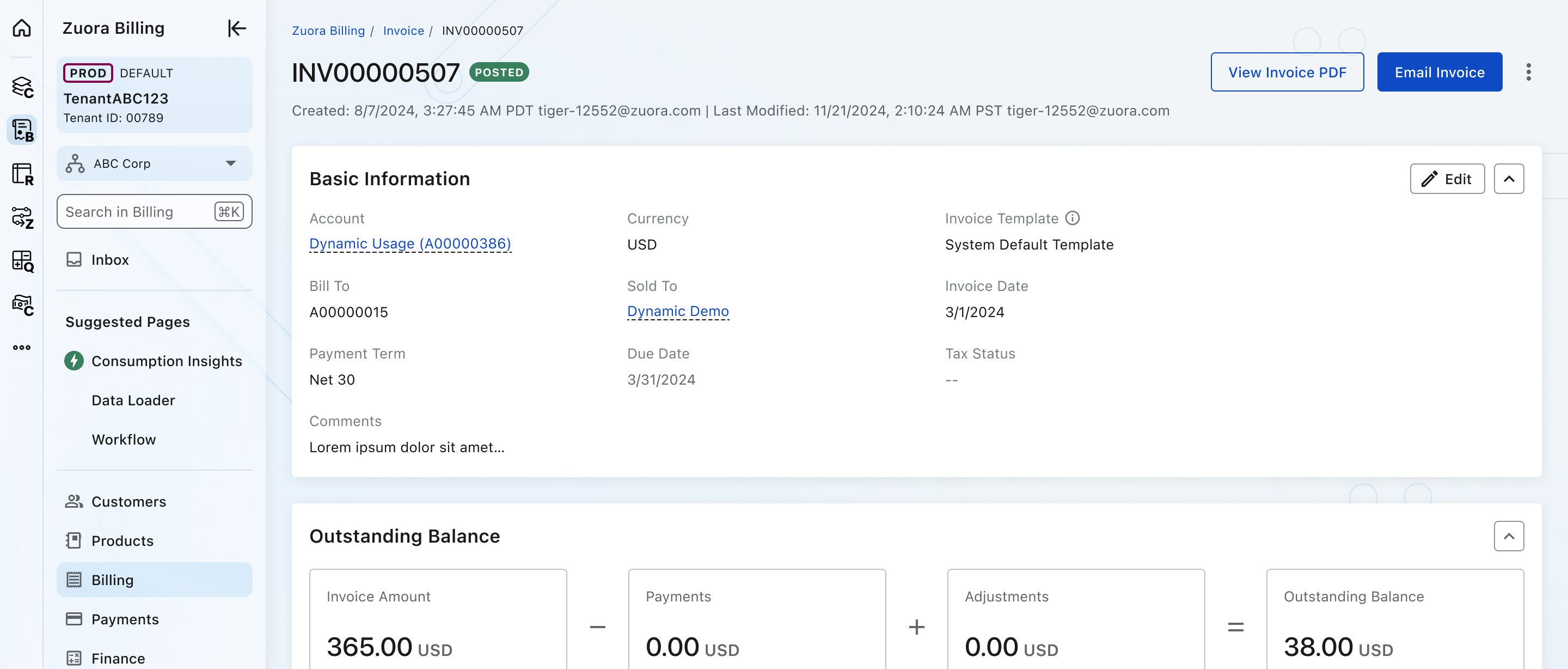
We use concise instructional text, often tied to a heading or subheading, to provide guidance where needed. Lists and callouts help break down complex information.
Localization and Internationalization
Occam’s content is designed for clarity across languages.
Write in simple, direct English to support accurate translation into French, Spanish, Japanese, and German. Avoid idioms, cultural references, and ambiguous phrasing to ensure clarity across languages.
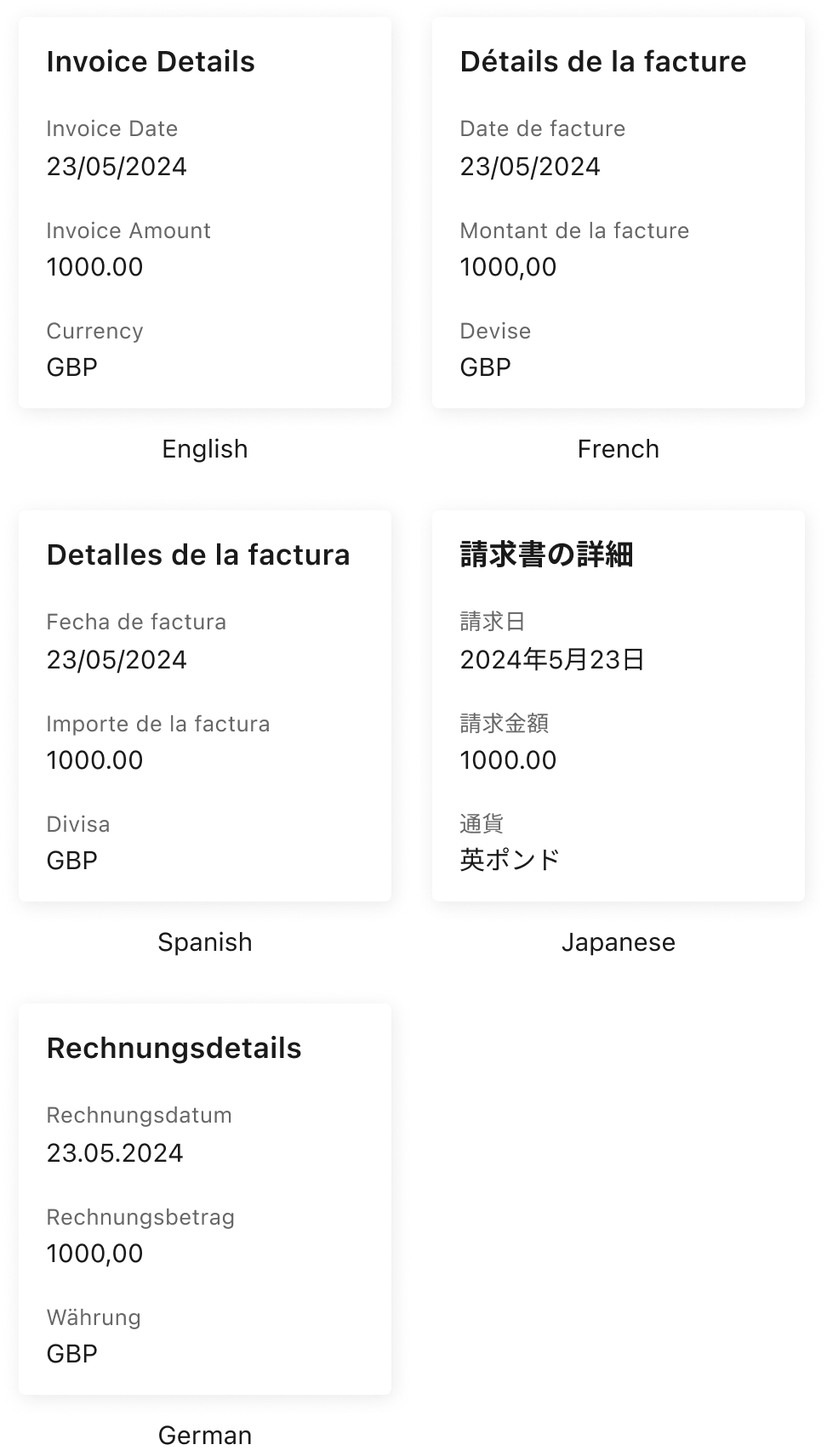
Spell out technical terms and abbreviations on first use, even in brief instructional text. We account for text expansion and contraction to keep content readable across languages. We follow regional standards for date, time, number, and currency formats.
Maintaining consistency and cultural awareness creates a seamless experience for all users, regardless of language.
Accessibility
Occam’s content is designed to be usable by everyone.
Use inclusive language that respects all users. Alt text should provide meaningful descriptions based on context:
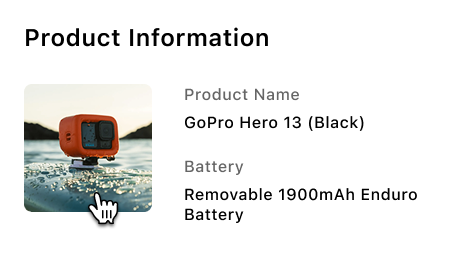
Purpose: Decorative
Alt text= ””
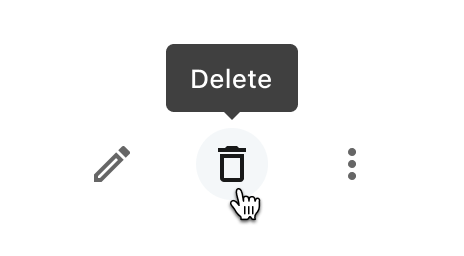
Purpose: Informative
Alt text= ”Delete Icon Button”

Purpose: Informative
Alt text= ”Learn more about our pricing plans.”
- Images: Describe the image’s purpose—decorative or informative. Keep alt text brief for decorative images if they convey no essential information, and provide more detailed information for informative images like product listings or examples. If purely decorative, leave alt text empty (alt="").
- Icons: Describe the action or function, not the appearance.
- Links: Write clear and predictable link text that explains the action or destination. Avoid generic CTAs like "View more" or "Learn more" when possible. If space constraints require them, provide context in the alt text, such as "Learn more about our pricing plans."
Content should be clear, inclusive, and provide users with the right information at the right time. Ensure guidance is presented within the interface, using clear headings and structured content to improve navigation and empower users.
Links and Screenshots
Use links and visuals intentionally to support content.
- Links: Open links in the same tab unless directed to external resources. Use descriptive text instead of “click here.”
- UI Terms: Follow sentence case for UI elements like headings and button labels.
Crafted with ❤️ at Zuora
© 2026 Zuora Inc.
Content Strategy
Occam’s content strategy is built on four core principles: Clarity and Simplicity, Consistency and Structure, Inclusivity and Accessibility, and Empathy and Trustworthiness. These principles ensure all content is easy to understand, structured for readability, inclusive of all users, and aligned with a professional yet approachable voice.
Our content aligns with Zuora’s documentation and brand guidelines to maintain consistency across all product and support materials. We share standards to create a seamless and accessible user experience, making information clear, actionable, and user-centered. We reflect Zuora’s brand attributes—Innovative, Empowering, and Trusted—in every piece of content we create.
Tone and Voice
Occam’s tone and voice is clear, professional, and approachable.
Voice: Our voice remains consistent across all products. It reflects clarity, confidence, and empathy, ensuring a trustworthy experience.
Tone: While our voice stays the same, our tone adapts—direct for instructions, conversational for encouragement, and reassuring for challenges.
Writing Style
Occam’s writing style is clear, consistent, and accessible.
Use plain language, avoid jargon, and keep sentences short and direct. Explain technical terms when necessary. Use the active voice to improve clarity and engagement.

Delete Account?
Deleting account is permanent. You will not be able to revert this action.
Cancel
Delete
Maintain consistency with uniform terminology and phrasing. Follow established grammatical and stylistic rules. Use American English, present tense, and second-person (you) for instructions while using third-person for concepts and facts.
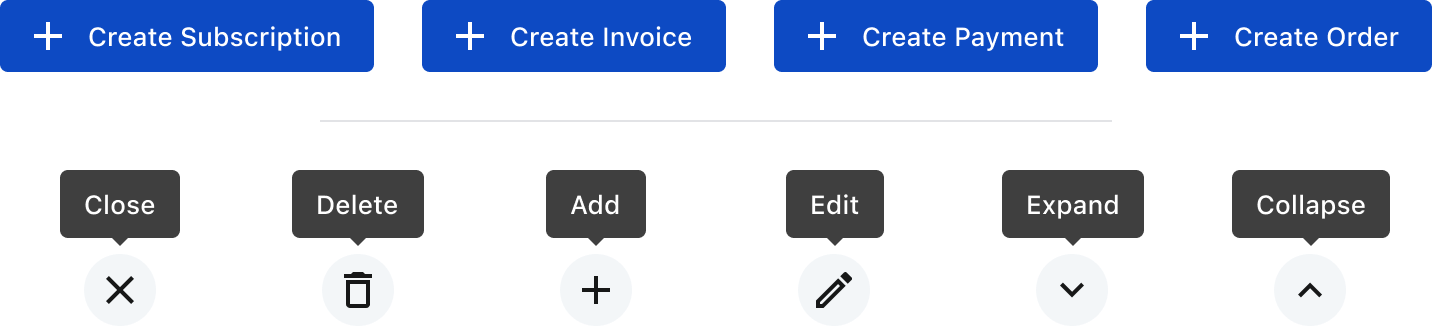
Use sentence case for better readability for UI elements like labels, buttons, and menu items.
Title case is reserved for page titles, major section headings, and feature names where emphasis is needed.
Empathy and accessibility guide our writing. Content should be clear, inclusive, and provide users with the right information at the right time.
Content Structure
Occam’s content is structured for clarity and quick scanning.
Each page is guided by a clear page header that sets the context. Headings and subheadings organize content, making it easy to navigate. Use action-based headings when applicable, such as Configuring Settings instead of Settings Overview.
We use concise instructional text, often tied to a heading or subheading, to provide guidance where needed. Lists and callouts help break down complex information.
Localization and Internationalization
Occam’s content is designed for clarity across languages.
Write in simple, direct English to support accurate translation into French, Spanish, Japanese, and German. Avoid idioms, cultural references, and ambiguous phrasing to ensure clarity across languages.
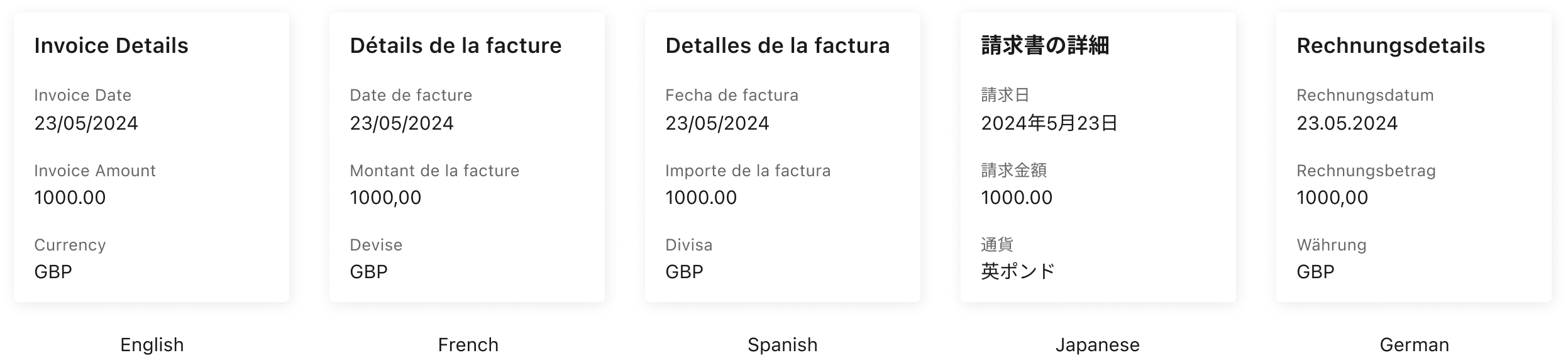
Spell out technical terms and abbreviations on first use, even in brief instructional text. We account for text expansion and contraction to keep content readable across languages. We follow regional standards for date, time, number, and currency formats.
Maintaining consistency and cultural awareness creates a seamless experience for all users, regardless of language.
Accessibility
Occam’s content is designed to be usable by everyone.
Use inclusive language that respects all users. Alt text should provide meaningful descriptions based on context:
Purpose: Decorative
Alt text= ””
Purpose: Informative
Alt text= ”Delete Icon Button”
Purpose: Informative
Alt text= ”Learn more about our pricing plans.”
- Images: Describe the image’s purpose—decorative or informative. Keep alt text brief for decorative images if they convey no essential information, and provide more detailed information for informative images like product listings or examples. If purely decorative, leave alt text empty (alt="").
- Icons: Describe the action or function, not the appearance.
- Links: Write clear and predictable link text that explains the action or destination. Avoid generic CTAs like "View more" or "Learn more" when possible. If space constraints require them, provide context in the alt text, such as "Learn more about our pricing plans."
Content should be clear, inclusive, and provide users with the right information at the right time. Ensure guidance is presented within the interface, using clear headings and structured content to improve navigation and empower users.
- Images: Describe the image’s purpose—decorative or informative. Keep alt text brief for decorative images if they convey no essential information, and provide more detailed information for informative images like product listings or examples. If purely decorative, leave alt text empty (alt="").
- Icons: Describe the action or function, not the appearance.
- Links: Write clear and predictable link text that explains the action or destination. Avoid generic CTAs like "View more" or "Learn more" when possible. If space constraints require them, provide context in the alt text, such as "Learn more about our pricing plans."
Links and Screenshots
Use links and visuals intentionally to support content.
Crafted with ❤️ at Zuora
© 2026 Zuora Inc.
Foundations
Content Strategy
Occam’s content strategy is built on four core principles: Clarity and Simplicity, Consistency and Structure, Inclusivity and Accessibility, and Empathy and Trustworthiness. These principles ensure all content is easy to understand, structured for readability, inclusive of all users, and aligned with a professional yet approachable voice.
Our content aligns with Zuora’s documentation and brand guidelines to maintain consistency across all product and support materials. We share standards to create a seamless and accessible user experience, making information clear, actionable, and user-centered. We reflect Zuora’s brand attributes—Innovative, Empowering, and Trusted—in every piece of content we create.
Tone and Voice
Occam’s tone and voice is clear, professional, and approachable.
Voice: Our voice remains consistent across all products. It reflects clarity, confidence, and empathy, ensuring a trustworthy experience.
Tone: While our voice stays the same, our tone adapts—direct for instructions, conversational for encouragement, and reassuring for challenges.
Writing Style
Occam’s writing style is clear, consistent, and accessible.
Use plain language, avoid jargon, and keep sentences short and direct. Explain technical terms when necessary. Use the active voice to improve clarity and engagement.
Delete Account?
Deleting account is permanent. You will not be able to revert this action.
Cancel
Delete
Maintain consistency with uniform terminology and phrasing. Follow established grammatical and stylistic rules. Use American English, present tense, and second-person (you) for instructions while using third-person for concepts and facts.
Use sentence case for better readability for UI elements like labels, buttons, and menu items.
Title case is reserved for page titles, major section headings, and feature names where emphasis is needed.
Empathy and accessibility guide our writing. Content should be clear, inclusive, and provide users with the right information at the right time.
Content Structure
Occam’s content is structured for clarity and quick scanning.
Each page is guided by a clear page header that sets the context. Headings and subheadings organize content, making it easy to navigate. Use action-based headings when applicable, such as Configuring Settings instead of Settings Overview.
We use concise instructional text, often tied to a heading or subheading, to provide guidance where needed. Lists and callouts help break down complex information.
Localization and Internationalization
Occam’s content is designed for clarity across languages.
Write in simple, direct English to support accurate translation into French, Spanish, Japanese, and German. Avoid idioms, cultural references, and ambiguous phrasing to ensure clarity across languages.
Spell out technical terms and abbreviations on first use, even in brief instructional text. We account for text expansion and contraction to keep content readable across languages. We follow regional standards for date, time, number, and currency formats.
Maintaining consistency and cultural awareness creates a seamless experience for all users, regardless of language.
Accessibility
Occam’s content is designed to be usable by everyone.
Use inclusive language that respects all users. Alt text should provide meaningful descriptions based on context:
Purpose: Decorative
Alt text= ””
Purpose: Informative
Alt text= ”Delete Icon Button”
Purpose: Informative
Alt text= ”Learn more about our pricing plans.”
- Images: Describe the image’s purpose—decorative or informative. Keep alt text brief for decorative images if they convey no essential information, and provide more detailed information for informative images like product listings or examples. If purely decorative, leave alt text empty (alt="").
- Icons: Describe the action or function, not the appearance.
- Links: Write clear and predictable link text that explains the action or destination. Avoid generic CTAs like "View more" or "Learn more" when possible. If space constraints require them, provide context in the alt text, such as "Learn more about our pricing plans."
Content should be clear, inclusive, and provide users with the right information at the right time. Ensure guidance is presented within the interface, using clear headings and structured content to improve navigation and empower users.
Links and Screenshots
Use links and visuals intentionally to support content.
- Links: Open links in the same tab unless directed to external resources. Use descriptive text instead of “click here.”
- UI Terms: Follow sentence case for UI elements like headings and button labels.
Crafted with ❤️ at Zuora
© 2026 Zuora Inc.
Foundations
On This Page
Content Strategy
Occam’s content strategy is built on four core principles: Clarity and Simplicity, Consistency and Structure, Inclusivity and Accessibility, and Empathy and Trustworthiness. These principles ensure all content is easy to understand, structured for readability, inclusive of all users, and aligned with a professional yet approachable voice.
Our content aligns with Zuora’s documentation and brand guidelines to maintain consistency across all product and support materials. We share standards to create a seamless and accessible user experience, making information clear, actionable, and user-centered. We reflect Zuora’s brand attributes—Innovative, Empowering, and Trusted—in every piece of content we create.
Tone and Voice
Occam’s tone and voice is clear, professional, and approachable.
Voice: Our voice remains consistent across all products. It reflects clarity, confidence, and empathy, ensuring a trustworthy experience.
Tone: While our voice stays the same, our tone adapts—direct for instructions, conversational for encouragement, and reassuring for challenges.
Writing Style
Occam’s writing style is clear, consistent, and accessible.
Use plain language, avoid jargon, and keep sentences short and direct. Explain technical terms when necessary. Use the active voice to improve clarity and engagement.
Delete Account?
Deleting account is permanent. You will not be able to revert this action.
Cancel
Delete
Maintain consistency with uniform terminology and phrasing. Follow established grammatical and stylistic rules. Use American English, present tense, and second-person (you) for instructions while using third-person for concepts and facts.
Use sentence case for better readability for UI elements like labels, buttons, and menu items.
Title case is reserved for page titles, major section headings, and feature names where emphasis is needed.
Empathy and accessibility guide our writing. Content should be clear, inclusive, and provide users with the right information at the right time.
Content Structure
Occam’s content is structured for clarity and quick scanning.
Each page is guided by a clear page header that sets the context. Headings and subheadings organize content, making it easy to navigate. Use action-based headings when applicable, such as Configuring Settings instead of Settings Overview.
We use concise instructional text, often tied to a heading or subheading, to provide guidance where needed. Lists and callouts help break down complex information.
Localization and Internationalization
Occam’s content is designed for clarity across languages.
Write in simple, direct English to support accurate translation into French, Spanish, Japanese, and German. Avoid idioms, cultural references, and ambiguous phrasing to ensure clarity across languages.
Spell out technical terms and abbreviations on first use, even in brief instructional text. We account for text expansion and contraction to keep content readable across languages. We follow regional standards for date, time, number, and currency formats.
Maintaining consistency and cultural awareness creates a seamless experience for all users, regardless of language.
Accessibility
Occam’s content is designed to be usable by everyone.
Use inclusive language that respects all users. Alt text should provide meaningful descriptions based on context:
Purpose: Decorative
Alt text= ””
Purpose: Informative
Alt text= ”Delete Icon Button”
Purpose: Informative
Alt text= ”Learn more about our pricing plans.”
- Images: Describe the image’s purpose—decorative or informative. Keep alt text brief for decorative images if they convey no essential information, and provide more detailed information for informative images like product listings or examples. If purely decorative, leave alt text empty (alt="").
- Icons: Describe the action or function, not the appearance.
- Links: Write clear and predictable link text that explains the action or destination. Avoid generic CTAs like "View more" or "Learn more" when possible. If space constraints require them, provide context in the alt text, such as "Learn more about our pricing plans."
Content should be clear, inclusive, and provide users with the right information at the right time. Ensure guidance is presented within the interface, using clear headings and structured content to improve navigation and empower users.
Links and Screenshots
Use links and visuals intentionally to support content.
- Links: Open links in the same tab unless directed to external resources. Use descriptive text instead of “click here.”
- UI Terms: Follow sentence case for UI elements like headings and button labels.
Crafted with ❤️ at Zuora
© 2026 Zuora Inc.
Foundations
On This Page
Content Strategy
Occam’s content strategy is built on four core principles: Clarity and Simplicity, Consistency and Structure, Inclusivity and Accessibility, and Empathy and Trustworthiness. These principles ensure all content is easy to understand, structured for readability, inclusive of all users, and aligned with a professional yet approachable voice.
Our content aligns with Zuora’s documentation and brand guidelines to maintain consistency across all product and support materials. We share standards to create a seamless and accessible user experience, making information clear, actionable, and user-centered. We reflect Zuora’s brand attributes—Innovative, Empowering, and Trusted—in every piece of content we create.
Tone and Voice
Occam’s tone and voice is clear, professional, and approachable.
Voice: Our voice remains consistent across all products. It reflects clarity, confidence, and empathy, ensuring a trustworthy experience.
Tone: While our voice stays the same, our tone adapts—direct for instructions, conversational for encouragement, and reassuring for challenges.
Writing Style
Occam’s writing style is clear, consistent, and accessible.
Use plain language, avoid jargon, and keep sentences short and direct. Explain technical terms when necessary. Use the active voice to improve clarity and engagement.
Delete Account?
Deleting account is permanent. You will not be able to revert this action.
Cancel
Delete
Maintain consistency with uniform terminology and phrasing. Follow established grammatical and stylistic rules. Use American English, present tense, and second-person (you) for instructions while using third-person for concepts and facts.
Use sentence case for better readability for UI elements like labels, buttons, and menu items.
Title case is reserved for page titles, major section headings, and feature names where emphasis is needed.
Empathy and accessibility guide our writing. Content should be clear, inclusive, and provide users with the right information at the right time.
Content Structure
Occam’s content is structured for clarity and quick scanning.
Each page is guided by a clear page header that sets the context. Headings and subheadings organize content, making it easy to navigate. Use action-based headings when applicable, such as Configuring Settings instead of Settings Overview.
We use concise instructional text, often tied to a heading or subheading, to provide guidance where needed. Lists and callouts help break down complex information.
Localization and Internationalization
Occam’s content is designed for clarity across languages.
Write in simple, direct English to support accurate translation into French, Spanish, Japanese, and German. Avoid idioms, cultural references, and ambiguous phrasing to ensure clarity across languages.
Spell out technical terms and abbreviations on first use, even in brief instructional text. We account for text expansion and contraction to keep content readable across languages. We follow regional standards for date, time, number, and currency formats.
Maintaining consistency and cultural awareness creates a seamless experience for all users, regardless of language.
Accessibility
Occam’s content is designed to be usable by everyone.
Use inclusive language that respects all users. Alt text should provide meaningful descriptions based on context:
- Images: Describe the image’s purpose—decorative or informative. Keep alt text brief for decorative images if they convey no essential information, and provide more detailed information for informative images like product listings or examples. If purely decorative, leave alt text empty (alt="").
- Icons: Describe the action or function, not the appearance.
- Links: Write clear and predictable link text that explains the action or destination. Avoid generic CTAs like "View more" or "Learn more" when possible. If space constraints require them, provide context in the alt text, such as "Learn more about our pricing plans."
Purpose: Decorative
Alt text= ””
Purpose: Informative
Alt text= ”Delete Icon Button”
Purpose: Informative
Alt text= ”Learn more about our pricing plans.”
Content should be clear, inclusive, and provide users with the right information at the right time. Ensure guidance is presented within the interface, using clear headings and structured content to improve navigation and empower users.
Links and Screenshots
Use links and visuals intentionally to support content.
- Links: Open links in the same tab unless directed to external resources. Use descriptive text instead of “click here.”
- UI Terms: Follow sentence case for UI elements like headings and button labels.
Crafted with ❤️ at Zuora
© 2026 Zuora Inc.